Test Method Context
NT BUILD 492 is commonly used by laboratories that need a standards-led permeability workflow for concrete. The method is usually not just a machine requirement; it also defines how samples are prepared, conditioned, measured, reported, and compared against project or agency acceptance criteria. Laboratories searching by NT BUILD 492 normally need equipment that can hold the correct specimen format, maintain stable control conditions, support repeatable operator routines, and produce data that can be reviewed by clients, road authorities, university supervisors, or third-party inspection teams. Lithostek treats the standard page as a method map: it connects the official international reference to the practical laboratory steps, the matching equipment families, and the configuration questions that should be answered before purchase.
Equipment Selection
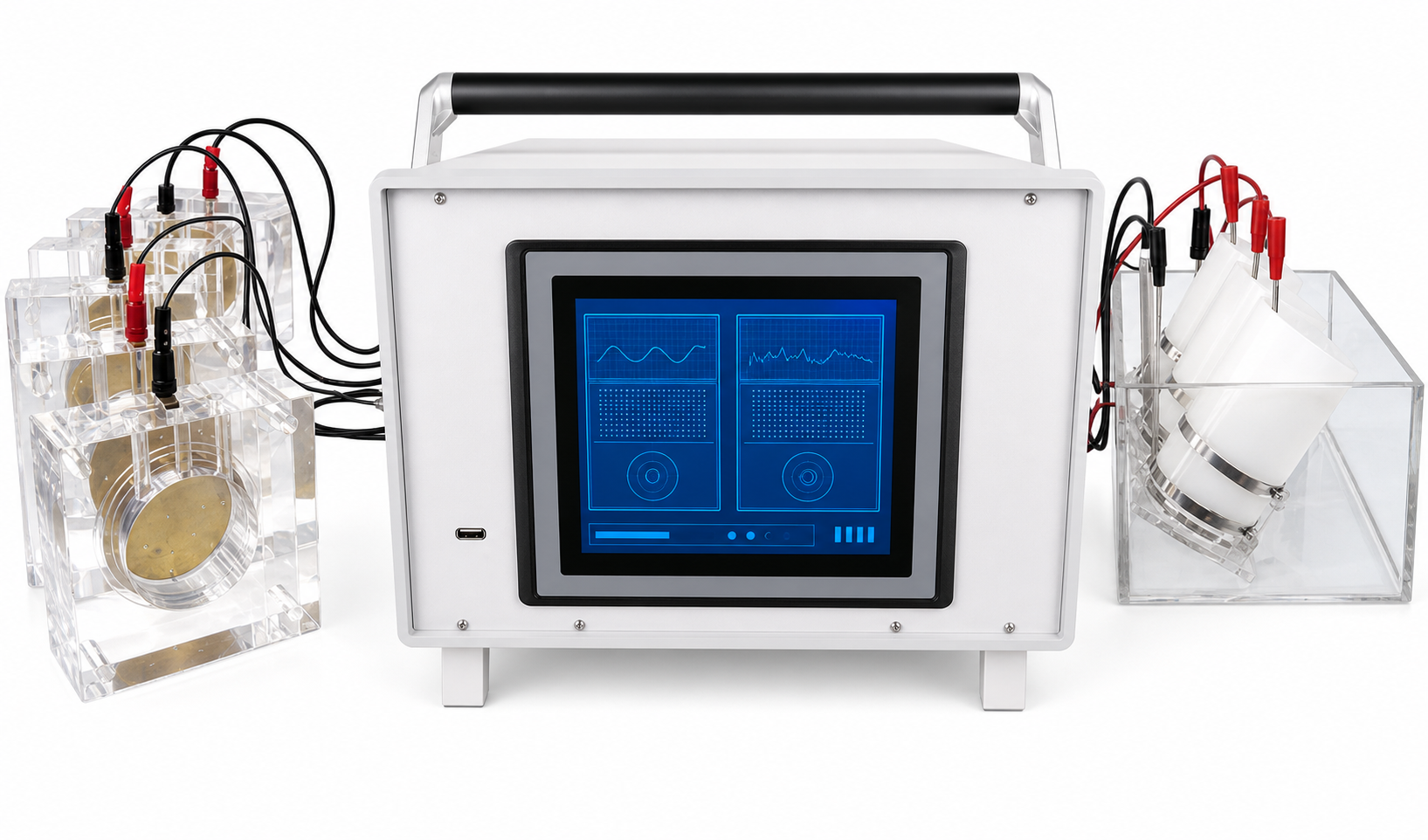
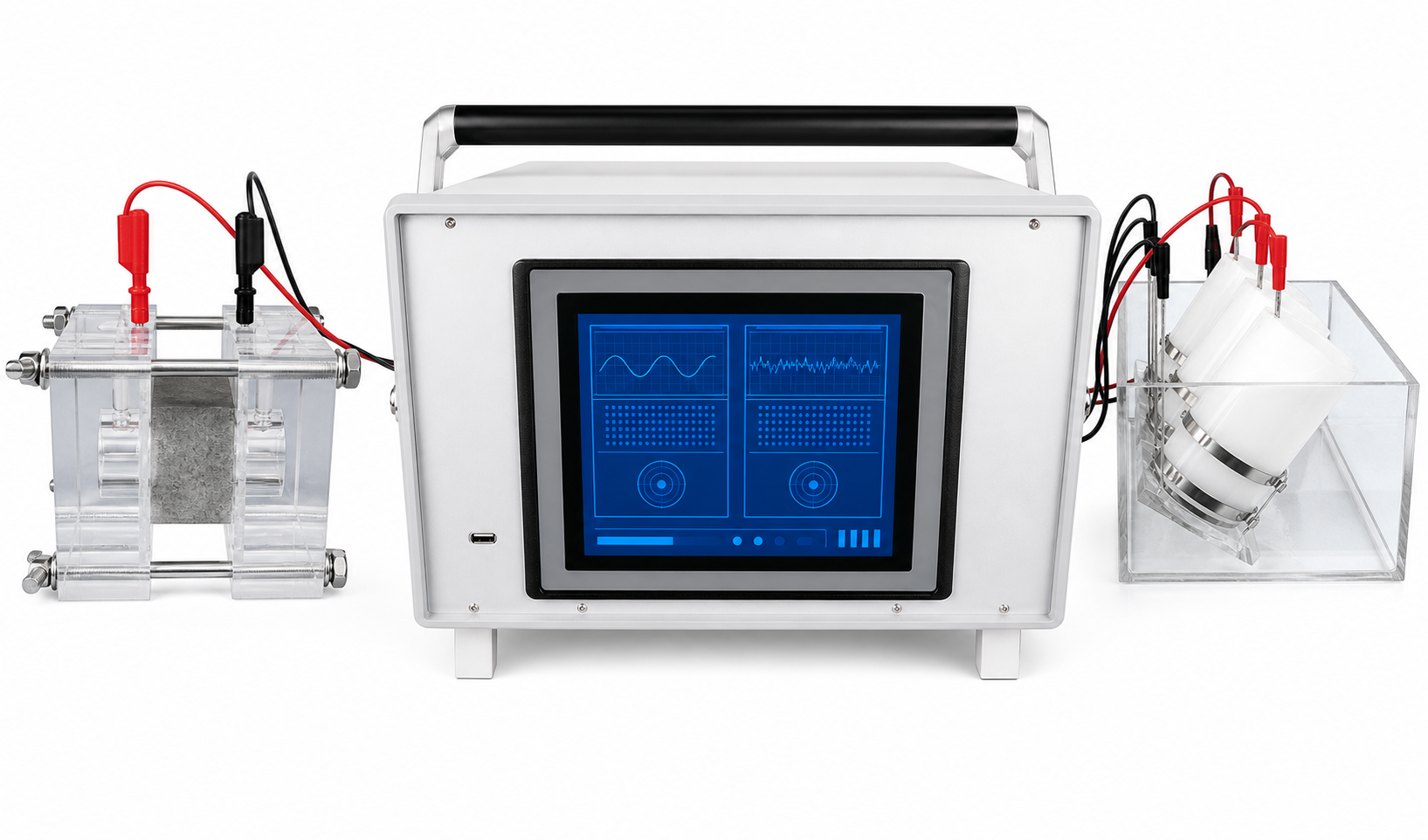
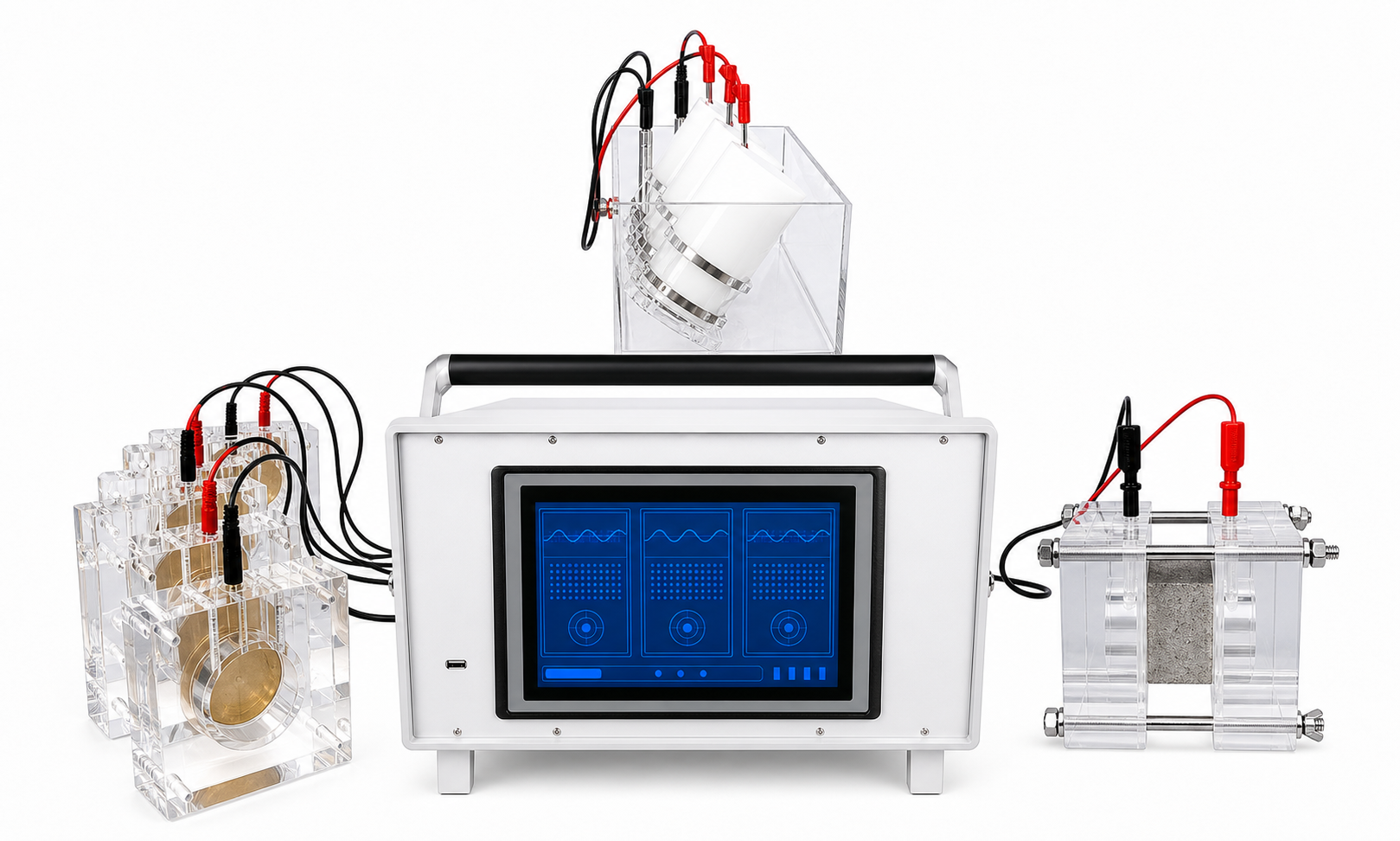
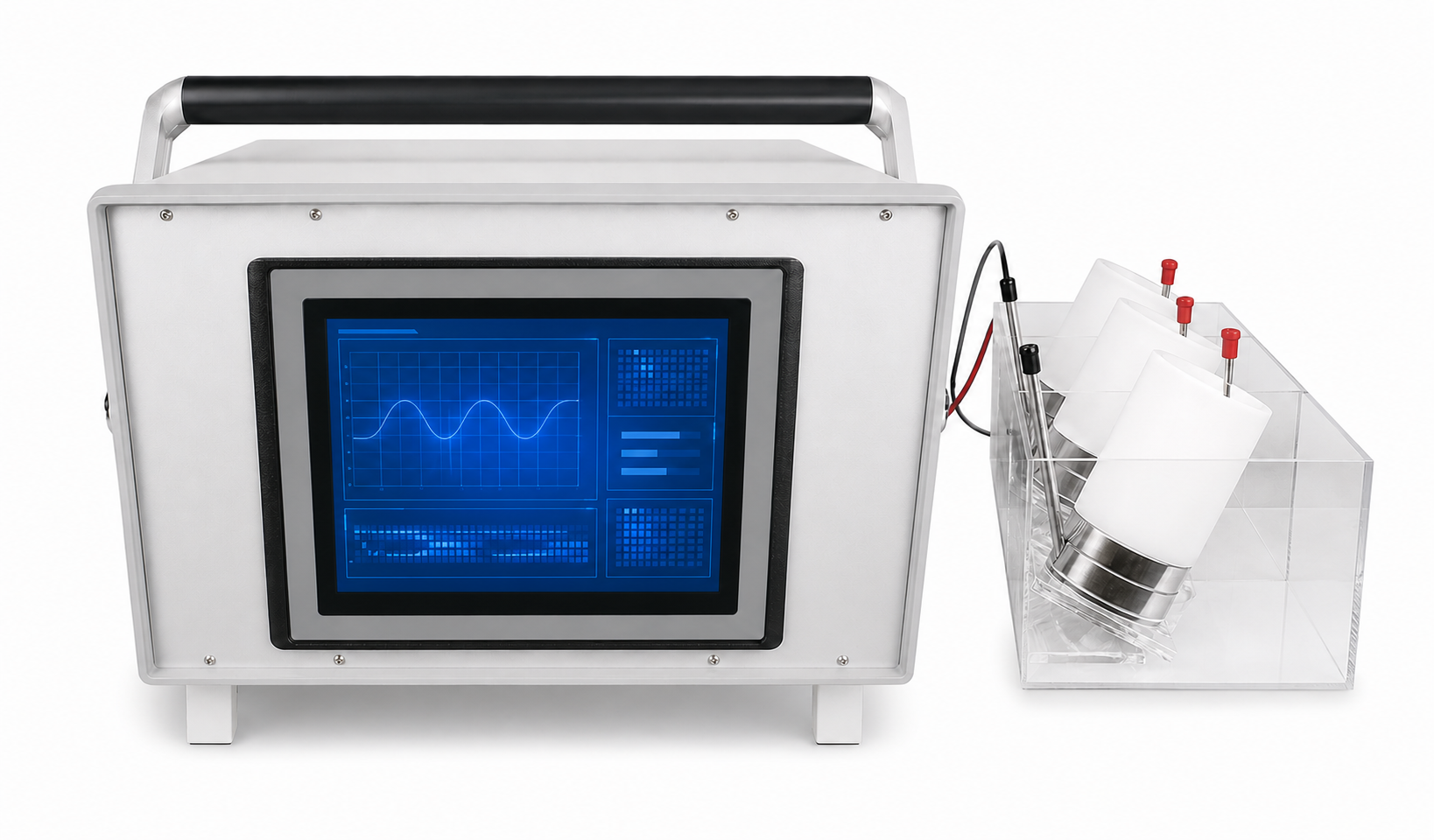
For equipment selection, start with the material, specimen size, required capacity, control accuracy, and daily sample volume. NT BUILD 492 equipment for permeability often requires more than the primary tester; laboratories may also need preparation tools, conditioning equipment, calibration accessories, data output, spare parts, and operator training. The matching Lithostek systems for this page include LS-RCU520, LS-RCL520, LS-RUL530, LS-RCM510. These products are organized around CONCRETE workflows so laboratory teams can compare automation level, measurement resolution, environmental control, safety enclosure, reporting format, and after-sales support without leaving the standard-number path.
Concrete Chloride Migration & Permeability TestingQuality Control Notes
Quality-control teams should confirm the latest official NT BUILD 492 document before finalizing a tender or laboratory SOP, because tolerances, conditioning details, and reporting fields can change by edition or local specification. In practice, the equipment quotation should reference the target standard, destination market, specimen type, throughput, power supply, calibration route, and any required acceptance test before shipment. Lithostek can review these details and configure the system around specimen preparation, controlled testing, reporting, calibration, and compliance review, helping laboratories avoid under-specified machines that pass a catalog comparison but fail daily repeatability or documentation requirements.
Related Standards
Related methods are useful when a laboratory needs a complete package rather than one isolated instrument. A NT BUILD 492 request may sit next to other ASTM, AASHTO, EN, ISO, or local standards covering sample preparation, conditioning, strength, durability, dimensional checks, or reporting traceability. Use the standards index to move from NT BUILD 492 into adjacent method pages, then open the linked product pages to compare the equipment scope, accessories, and application notes. This keeps equipment selection tied to the test method instead of relying only on generic category names.